Case Study
Order Overload
I came across a strange problem online: a live streamer kept receiving food orders during broadcasts, even though he didn’t want them. The orders were placed by viewers as a joke, but the repeated interruptions annoyed the streamer—and in a few cases, he had to pay for the unwanted orders. This sparked my curiosity: how could this problem be addressed? It’s not just a streamer’s issue—anyone could be affected by a wrong order placed in their name. I decided to explore the experience, understand the pain points, and think about potential solutions in a mini UX research project.
What I Looked Into
How fake orders affect the streamer’s experience.
How interruptions and unexpected payments create stress or frustration.
What the underlying problem is and how it could happen to anyone?

User Truths That I Found Out
Streamers felt anxious and frustrated by unwanted orders.
Repeated interruptions disrupted the flow of the live stream.
There’s a risk of accidental charges or reputational impact.

What I Believed at First/ The Real Problem
Through this mini research, it became clear that the problem wasn’t just a technical flaw that allowed fake orders to go through, but also a human experience shaped by stress, frustration, and constant interruptions. The streamer lacked control and transparency over what was happening, and this highlighted a broader need for systems that help users feel safe and informed. Overall, the process helped reveal the emotional impact behind the issue and the behavioral patterns that shaped it.


What It Turned Into
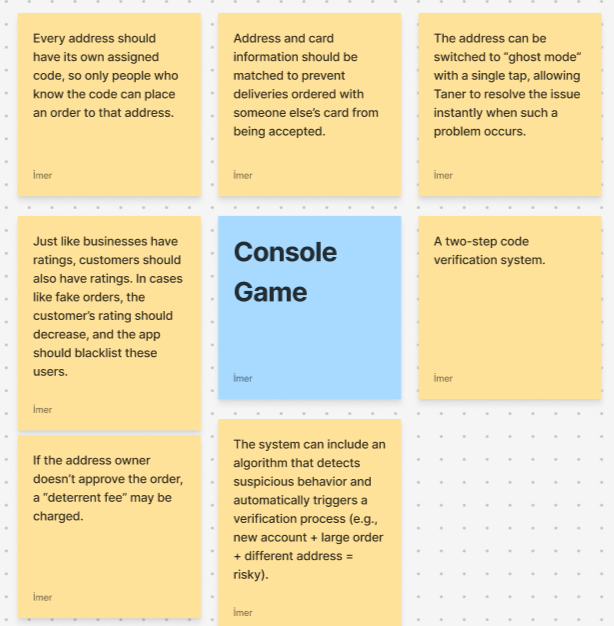
Instead of building a final solution, this project stayed in the exploration stage. I experimented with early ideas and brainstormed possible directions—like small safeguards or verification steps that could prevent unwanted orders—but nothing was taken into a full design phase. The goal was simply to understand the experience, surface the core pain points, and outline what a potential path forward could look like if the project were developed further.